 Skip to content


The Anatomy of Your Fireplace
The anatomy of your fireplace is critical when comes to usage. When most people think of chimneys, they think of fireplaces. Memories of cold winter evenings, relaxed and cozy in front of a crackling fire are hard to beat. Furthermore, the ability of an open fire to soothe the wild beast within us all is legendary. Since the dawn of time, humans have gathered around the open fire for a sense of safety and community. Ultimately, the fireplace is still the focus of families living in many homes, especially around the holidays.
But despite all the glowing aesthetics, there are some practical considerations. When dealing with an element as capricious and potentially dangerous as fire, knowledge really is power. So please read on to learn how to make your fireplace safer and more enjoyable.
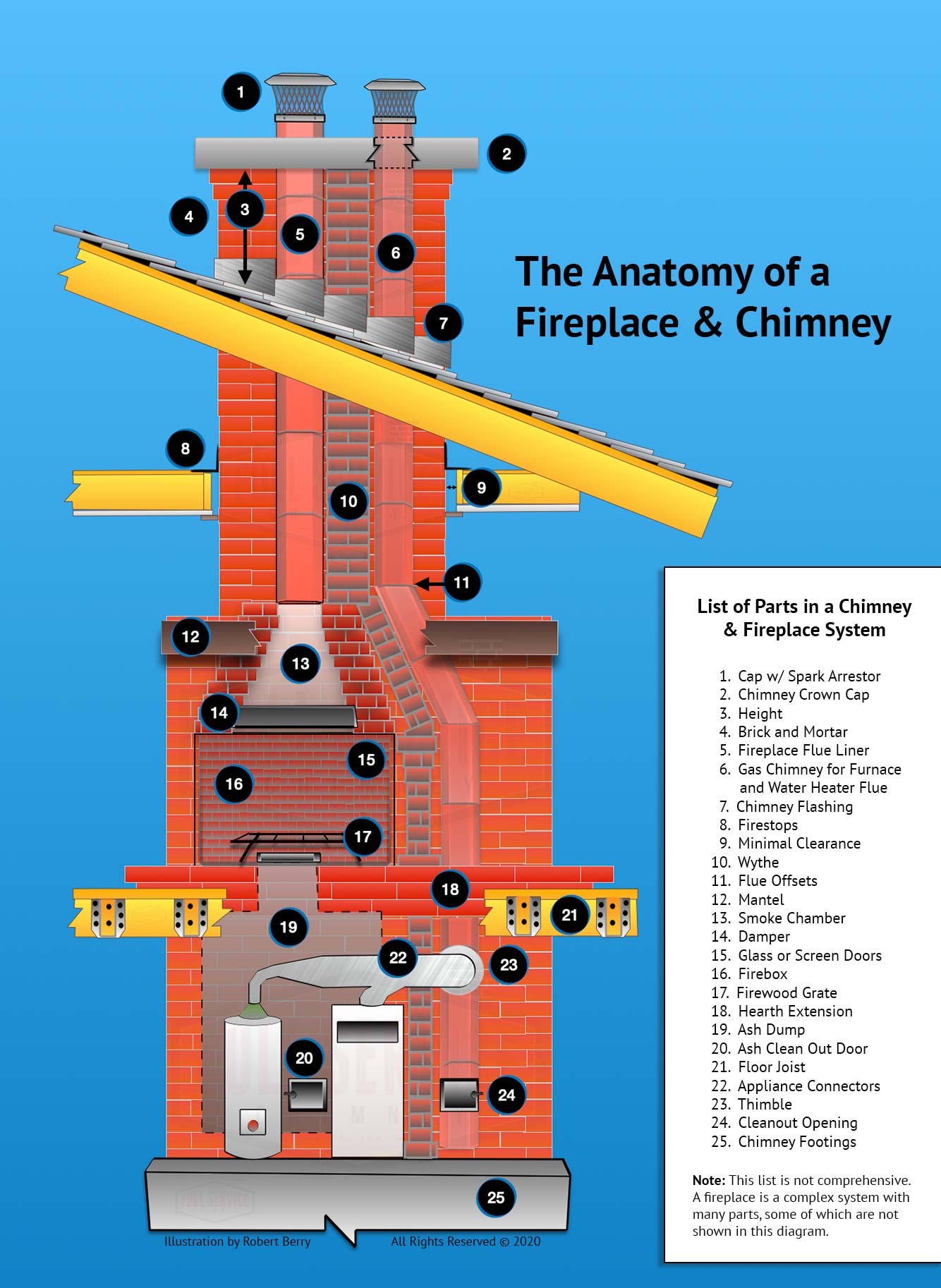
Let’s start with a quick fireplace anatomy lesson and a brief explanation of commonly used terms
Fireplaces come in two general types. First is a masonry fireplace built entirely of bricks, blocks, or stone and mortar. Second, is a factory-built fireplace consisting of a lightweight metal firebox and a metal chimney. (There are also a few hybrids, the most common being a heavy metal firebox and smoke chamber coupled to a regular brick chimney). To figure out which you have will take only a moment of detective work on your part.
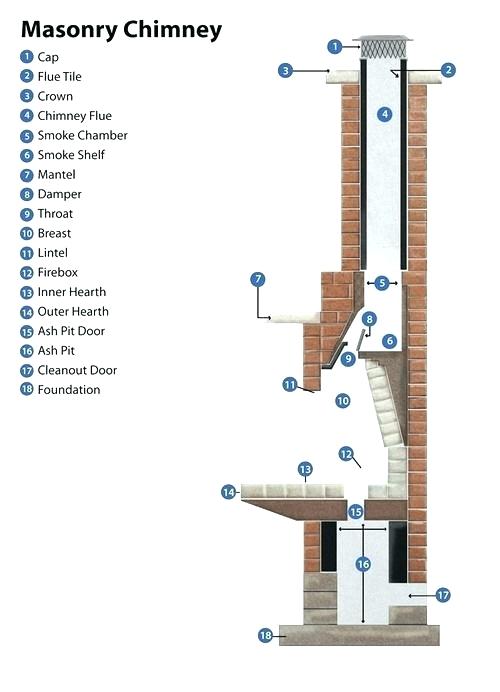
Masonry Fireplace Anatomy Explained
A masonry fireplace has a firebox built of individual generally yellowish firebrick. The masonry chimney is also built with brick, block, or stone on the exterior. If you look past the metal damper you should see a roughly pyramid-shaped area called the smoke chamber. The smoke chamber is built of brick and should be parged smooth for an efficient draft of the masonry fireplace. If you see any exposed brick in this area, you should have it checked immediately to prevent a potential fire hazard.
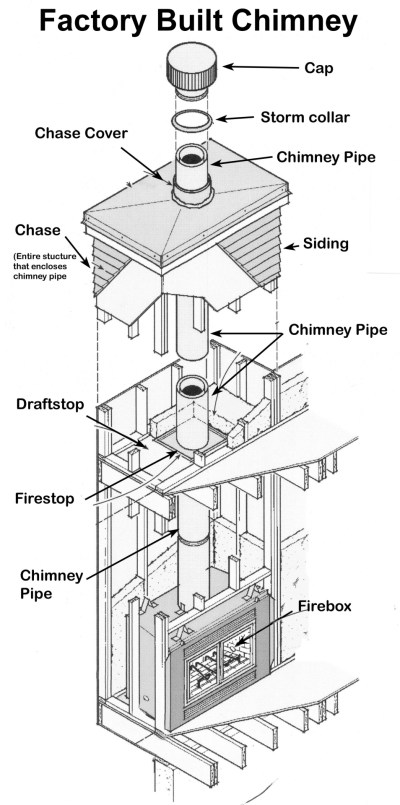
Factory-Built Fireplace Anatomy Explained
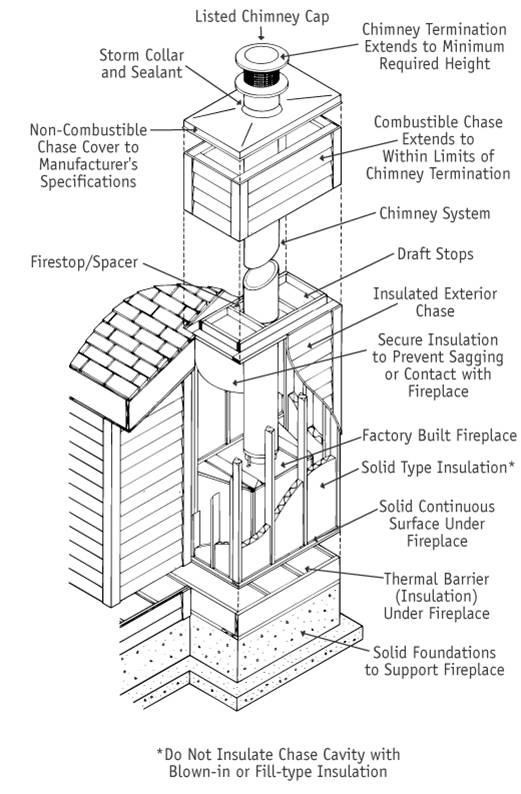
A pre-fab, or factory-build fireplace is typically a metal fireplace unit. The factory-built fireplace generally has a firebox of cast refractory panels that look like bricks. Usually, some metal is visible in the room all around the firebox. The factory-built chimney is also built with a wood exterior. The top of the factory-built chimney usually has a metal chase cover, a storm collar around the pipe, and a round chimney cap. In some cases, the factory-built chimney exterior could be surrounded by masonry. If you look past the damper you will see a round metal chimney.
Although similar, there are some important differences. We have provided areas with some special considerations for masonry or prefabricated fireplaces that you can jump directly to by clicking the appropriate name.
Masonry Fireplace Anatomy – Some Special Considerations
Masonry fireplaces, built entirely of bricks, blocks, or stone and mortar, are massive structures often weighing between 6 and 7 tons! They are aesthetically pleasing, long-lasting, and add real value to your home. With a little care and periodic maintenance, they can literally give you a lifetime of enjoyment.
Masonry fireplaces require an extensive footing capable of supporting their great bulk, and if not provided with one will often shift and crack, allowing the fire to escape to nearby combustibles. You should always keep an eye out for any signs of settling or movement. Just inside the firebox, where the facing material meets the firebrick, is one weak spot where this settling is often first apparent. Keeping downspouts directed away from the fireplace and careful sloping of the ground around the fireplace to be sure water runs away from the structure can keep settling problems to a minimum.
Although masonry is quite durable, and in fact is often seen as indestructible, this is certainly not the case, especially for a chimney. While the rest of the brick on the house is somewhat protected by the eave, the poor chimney is sticking up like a flagpole, exposed to every raindrop and freeze/thaw cycle. A quality chimney cover, keeping the crown in good repair, and a waterproofing treatment, are money well spent to avoid expensive repairs or rebuilding. See the section on waterproofing for a more detailed explanation.
The firebox of course takes the brunt of the fire’s heat and it requires some special attention. The firebrick can take the heat pretty well, but the joints will fail in time from the constant expansion and contraction. In addition, refractory mortar is specified and seldom used. In a fireplace without a chimney cover, the rainwater will also pool on the smoke shelf, mix with the soot behind the damper, and form an acidic slurry that seeps into the fireback destroying the mortar joints. These joints must be kept in good repair with a high-temperature refractory mortar to ensure the fire is contained.
The tile liners used in most masonry fireplaces are just fine as long as the fireplace is properly maintained and not exposed to chimney fires. One good chimney fire will usually crack these tiles, rendering them incapable of performing their intended function. The general rule of thumb is that a masonry fireplace should be cleaned before 1/4″ of soot accumulates. If you ever do experience a chimney fire, it is very important to have the chimney swept and inspected before it is used again. We suggest a side trip to the areas on Chimney Fires and Liners for further information.
Unlike prefabricated fireplaces which are factory engineered products, a masonry fireplace is built on site brick by brick, giving the mason ultimate control of the final product. This results in a wide range of masonry fireplaces available, from long lasting, heat producing beauties, to smoky pits that crumble in a relatively short time. Most masonry fireplaces that chimney sweeps encounter, although far from perfect, can, with a little tender loving care, and carefully considered maintenance procedures, provide you with many peaceful, relaxing hours in an otherwise often hectic world.
Prefabricated Fireplace Anatomy
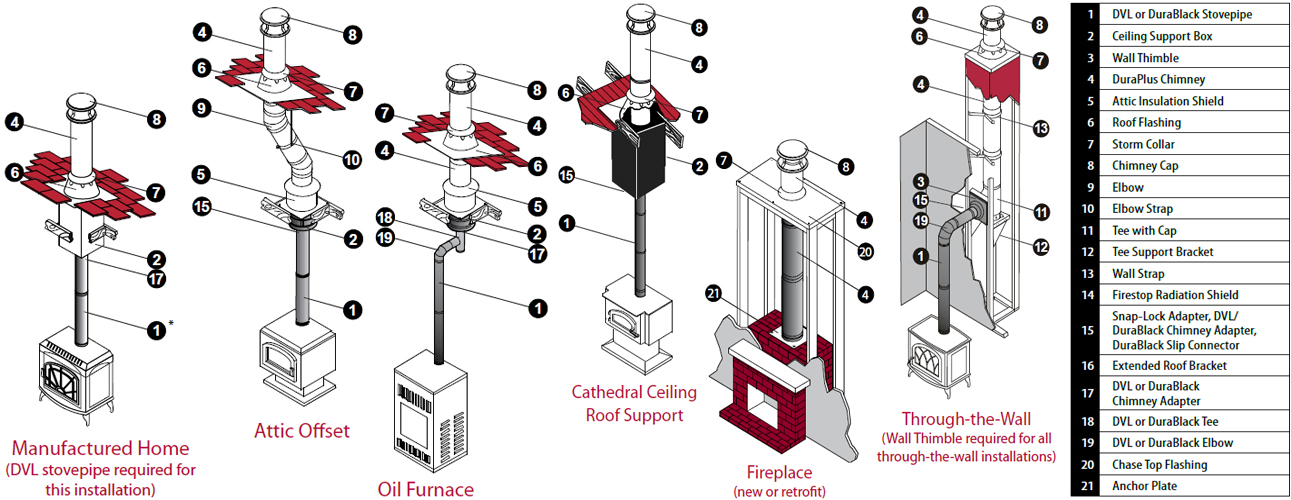
Factory-built, or prefabricated fireplaces, are relative newcomers to the fireplace scene. These units have been commonly available only for the last 25 years or so. Unlike traditional site-built masonry fireplaces, most factory-built fireplaces are made of metal. They come from the factory as complete units with a firebox, a specific chimney system, and all miscellaneous parts. With proper installation and maintenance, they can give years of service. But, there are some special considerations owners of these systems should be aware of:
Schedule Chimney Inspection and Repair
At Adams Chimney Specialist, LLC, we understand the importance of maintaining a safe and efficient chimney. That’s why we also offer comprehensive chimney sweep, inspections, and masonry repair services to help keep your home safe and comfortable. Our team of experts dedicates itself to delivering high-quality chimney services tailored to your specific needs and budget. Whether you need a routine chimney sweep or a full inspection and repair, we have you covered.
We strongly recommend that you schedule an appointment with our team. Don’t wait until it’s too late – let us help you keep your chimney in top condition and enjoy the benefits of a well-maintained home.



You must be logged in to post a comment.