 Skip to content



Chimney Cap Installation
Cap Installations Are Essential
Chimney cap installation is essential to prevent water damage, keep animals out, block debris, reduce fire risks, and prevent downdrafts. They act as a vital protective barrier, stopping rain from eroding mortar joints. They can also keep pests (birds, raccoons) from nesting and catching sparks. Without a cap, chimneys are vulnerable to decay, blockages, and hazards. These hazards can lead to expensive repairs and unsafe air quality. Below are a few key factors to consider when choosing a chimney cap replacement.
Some Key Reasons for Installing a Chimney Cap
Moisture Protection: Rain, snow, and ice can enter an open flue, causing severe damage, including rust on metal dampers, erosion of mortar, and decay of the flue lining.
Wildlife and Pest Prevention: Birds, squirrels, raccoons, and snakes often nest in warm chimneys, creating blockages that force toxic smoke back into the home.
Fire Safety (Spark Arrestor): A mesh screen on the chimney rain cap acts as a spark arrester, catching hot embers before they land on the roof or nearby flammable materials.
Debris Blocker: It prevents leaves, twigs, and branches from entering the chimney and clogging it, which could restrict airflow and pose a fire hazard.
Downdraft Reduction: A chimney rain cap helps prevent wind from blowing smoke down the flue, reducing back-puffing and improving overall fireplace efficiency.
Energy Efficiency: By preventing cold air from entering and heated air from escaping, a cap can help maintain a more energy-efficient home.
The Different Types of Chimney Caps
The first thing to consider when looking for a new chimney cap replacement is what type of chimney and venting system you have. There are three different types of systems for a termination chimney cap installation. It is critical to install the proper chimney rain cap. Therefore, if it’s not the correct chimney cap, it poses a potential fire hazard for the chimney and the home’s structure.
Masonry Chimneys: These chimneys typically have square or rectangular flue tiles protruding out of the crown at the top. In some cases, the older home’s chimney may not have a proper crown constructed, depending on when the home and chimney were built. Masonry chimneys may also have a wood stove insert installed into the fireplace. This insert, if properly installed, will have a round flex liner connected to the top of the stove that vents to the top of the masonry chimney. If this is the case, the chimney and venting system will require a round termination cap with a spark arrestor.
Masonry Chimney Cap Options

Standard Flue Mount Chimney Cap

Round Chimney Cap With Spark Arrestor

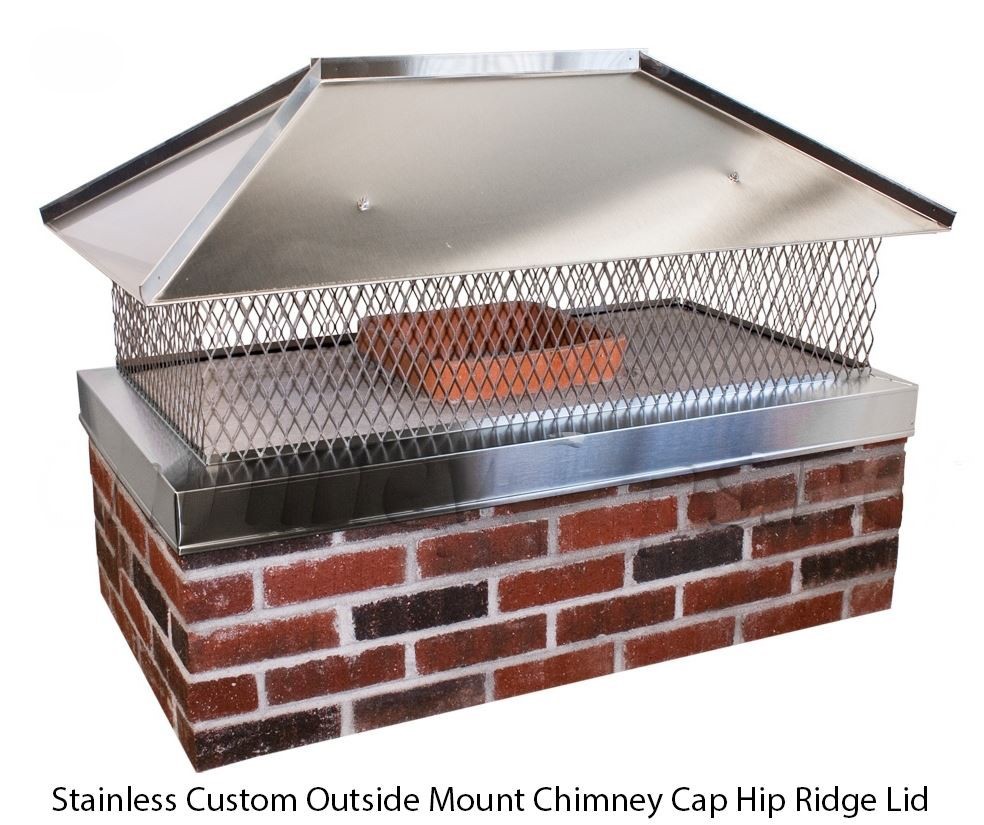
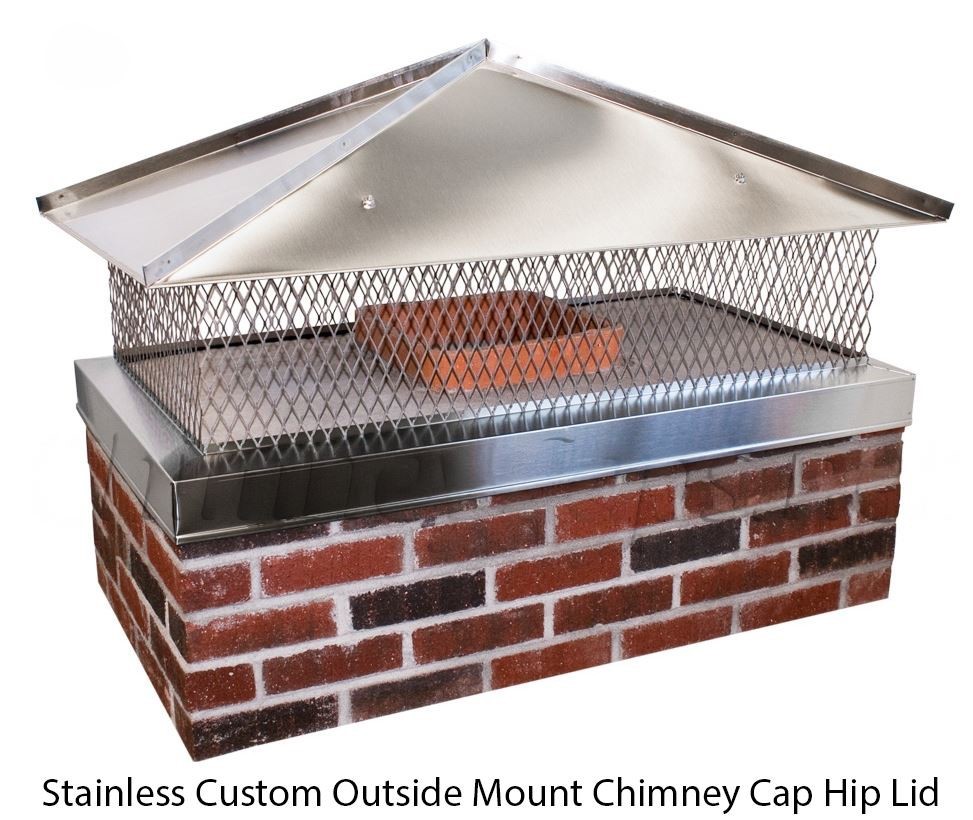
Outside Mount Stainless Steel Chimney Cap
Most Common Masonry Chimney Caps
The masonry chimney cap replacement options above are the most common among chimney sweeps. These chimney rain caps are the most readily available and are cheaper to install. Chimney cap installation costs for these caps range from $150 to $350, depending on size. This can help homeowners feel assured that they are choosing a practical and affordable solution. They only protect the chimney flue system from animals, debris, and water entry, which addresses common concerns. Also, in high-wind and rain conditions, they may still allow water to enter the chimney, possibly damaging the flue. That said, the custom outside-mount chimney cap replacement is the best option for masonry chimney cap installation. They not only prevent water from entering the interior portion of the chimney, but they also protect the masonry structure from water intrusion. The custom chimney caps below also feature several lid designs.


Wood Stove Chimney Caps
The second type of chimney is typically for wood stoves. Their chimney and venting systems usually have either a liner (flexible or solid piping) or a Class-A chimney (solid-pack piping).
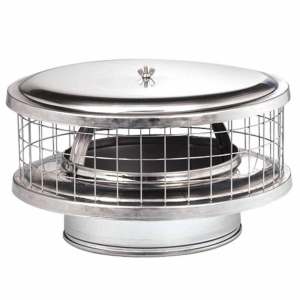
Class-A Piping or Liner: These chimneys typically have a round termination cap with internal dimensions matching the piping system. Chimney cap installation costs for these caps range from $200 to $350, depending on size. There are several types of chimney cap replacements on the market. The most important thing to know is whether the chimney cap also has a spark arrestor installed. If it doesn’t, it poses a potential hazard due to a blocked flue. This blockage could be from animal nesting and debris intrusion. Most wood stove installers use the cheap liner installation kits that include these chimney caps, but not a spark arrestor. Always double-check with your installer to make sure they don’t short-change you on your installation without a spark arrestor. These spark arrestors are also required by the 2024 NFPA & 2024 IRC codes.
Round Chimney Cap With Spark Arrestor
Solid-Pack Chimney Cap With Spark Arrestor
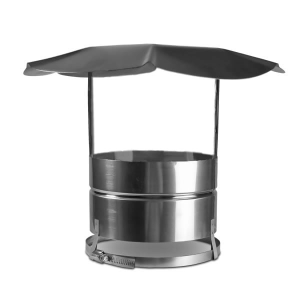
Round Chimney Cap Without Spark Arrestor
Air-Cooled Chimney Caps
The third and last type of chimney is for factory-built or zero-clearance fireplaces. Their chimney and venting systems use either a double or triple-wall round piping. Chimney cap installation costs for these caps range from $250 to $750, depending on size.
Air-Cooled Chimneys: These chimneys always have a round termination cap with internal dimensions matching the piping system. There are several aftermarket types of these chimney caps available. But these aftermarket caps have not been UL tested for these systems. Therefore, these fireplace systems are specifically tested and designed for a certain termination chimney cap. If an incorrect chimney cap is installed, it can pose a fire hazard. The manufacturer recommends only installing a listed air-cooled chimney cap. Another thing to consider: these systems are designed to have only an air-cooled chimney cap installed. Because if an improper cap is installed that doesn’t allow air down the flue system, it could be very dangerous. This airflow is critical for cooling the interior chimney piping; if it is blocked, the piping may overheat and potentially ignite the surrounding chimney structure.

Superior Air-Cooled Round Termination Cap

Aftermarket Air-Cooled Termination Cap
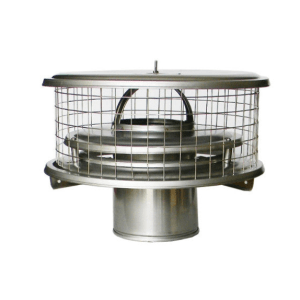
WeatherShield Aftermarket Round Air-Cooled Termination Cap
Wind Directional Options to Consider
A wind-directional cap is a helmet-shaped chimney cap. Additionally, the cap rotates to align with the wind or airflow. Thus, preventing a downdraft of smoke and wind down the chimney. Other downdraft caps are based on the Venturi effect, solving downdraft problems by increasing the updraft constantly resulting in much higher fuel consumption.
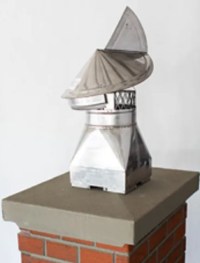
Wind Directional Transition Cap
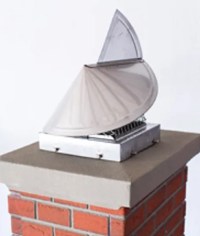
Wind Directional Flue Cap
High-Wind Chimney Caps
High-wind chimney caps resemble wind-directional caps, but they cater to areas with rain and wind simultaneously. These areas include the beach and gorge. They work to keep the elements out of the inside of the chimney flue system while also preventing downdrafts of smoke and wind down the chimney. Ultimately, homeowners will need to service them often to prevent creosote blockage.

Vacu-Stack Cap

Monsoon Transition Chimney Cap
Gas Options to Consider
Consider a few things when dealing with gas caps. First, determine whether you have one pipe (Co-Axial) or two pipes (Co-Linear). Next, decide whether you want a low-profile or a vertical, high-wind version. Once you figure out these options, you can make the right decision when choosing your new gas chimney cap. Chimney cap installation costs for these caps range from $150 to $550, depending on size. Below are a few different options of Co-Axial and Co-Linear caps available on the market.
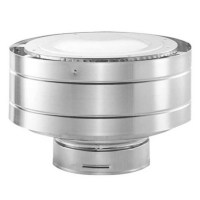
Co-Axial Low Profile Termination Gas Cap (One Pipe)
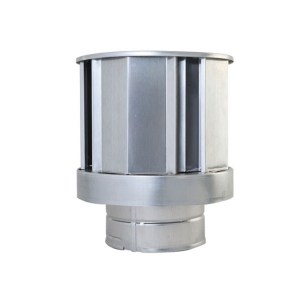
Vertical High-Wind Co-Axial Gas Cap (One Pipe)

Stainless Steel Low Profile Co-linear Gas Cap
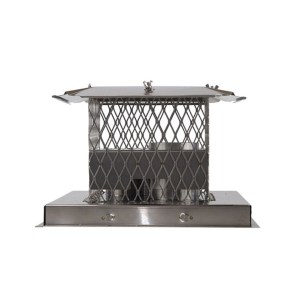
Terra-Cotta Mount Co-Linear Gas Cap
Smoke Transfer Options
If you experience smoke from one fireplace entering another while in use, you call this issue smoke transfer. Multiple reasons can cause it, but the most common reason is that the flue terminates at the same height on top of the chimney. Other reasons include downdraft caused by positive and negative pressure in the home or a possible breach in the chimney. If either of these two happens, we recommend having a level 2 chimney inspection performed to identify the root cause. But you can quickly fix the most common smoke transfer issue by installing a flue stretcher chimney cap. These chimney caps can be an eyesore, so you should consider a custom chimney cap with a divider wall as the best option.

Flue Stretcher Cap 1’0″ and 2’0″ Height
Schedule Chimney Inspection and Repair
At Adams Chimney Specialist, LLC, we understand the importance of maintaining a safe and efficient chimney. That’s why we also offer comprehensive chimney sweep, inspections, and masonry repair services to help keep your home safe and comfortable. Our team of experts dedicates itself to delivering high-quality chimney services tailored to your specific needs and budget. Whether you need a routine chimney sweep or a full inspection and repair, we have you covered.
We strongly recommend that you schedule an appointment with our team. Don’t wait until it’s too late – let us help you keep your chimney in top condition and enjoy the benefits of a well-maintained home.


You must be logged in to post a comment.